

LAB HOURS: MON - THU and SAT : 9:00 AM to 9:00 PM
FRI and SUN : 9:00 AM to 6:00 PM



5 Ways Food Sensitivities and Allergies May Lead to Acne
Health and Wellness
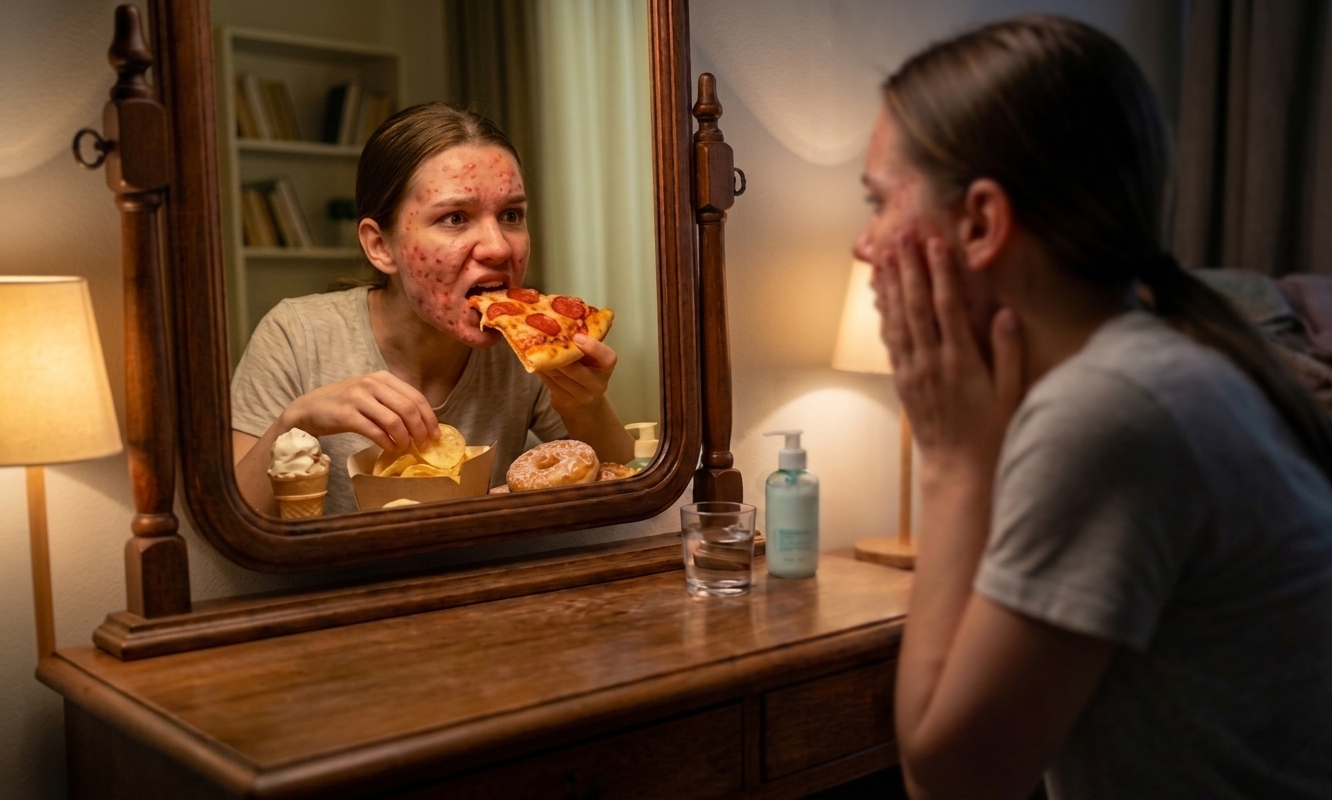
Still breaking out no matter how much you spend on skincare? The truth is often overlooked: stubborn acne is usually not a superficial skin issue, but a chronic internal inflammatory problem. If expensive topical products have failed, it’s because the real trigger is deeper than your routine. For many people, persistent breakouts start when the body reacts negatively to certain foods. When this happens, the immune system treats those foods like a threat and becomes stressed, which increases inflammation inside the body. Over time, this internal inflammation shows up on the skin as stubborn acne.
Food Sensitivities vs Food Allergies
Before we dive into how food reactions trigger acne, it is important to understand the difference between food allergies and food sensitivities.
Food allergies create immediate and intense responses in the body. They are driven by IgE antibodies and usually cause reactions such as swelling, hives, itching or difficulty breathing. These responses happen quickly, making them obvious and easy to identify because the symptoms appear almost immediately after eating the trigger food. In such cases, doctors often recommend allergy testing to help clearly identify the specific foods responsible for these rapid reactions.
Food sensitivities, on the other hand, operate very differently. They are caused by IgG antibodies or digestive stress, and their effects are slow and subtle. Symptoms can take several hours or even a full day to appear, making it much harder to connect them to specific foods. Instead of dramatic reactions, they often show up as inflammation, headaches, fatigue, bloating or recurring acne. Sensitivities are quiet and easily overlooked, yet they can still drive significant internal inflammation.
Both allergies and sensitivities place stress on the body and can contribute to breakouts when inflammation becomes persistent.
How Food Reactions Lead to Acne
When your body reacts to certain foods, the immune system goes into defence mode and inflammation rises from within. As internal stress builds, hormones shift and digestion weakens, making the skin more reactive and prone to breakouts. And when the inside is inflamed, the skin is the first place it shows.
1. Gut Imbalance From Trigger Foods
Your gut and skin are closely connected, so when the gut becomes irritated by certain foods, it can disrupt digestion and increase inflammation throughout the body. This imbalance often shows up on the skin in the form of breakouts along the cheeks, jawline or chin. If you notice acne flaring after meals or alongside bloating, gas or discomfort, your gut may be signalling a reaction to specific foods.
Common Gut Symptoms Linked to Acne
|
Symptom |
What It Suggests |
Effect on Skin |
|
Bloating |
Difficulty digesting food |
Inflammation that leads to breakouts |
|
Constipation |
Waste not moving out properly |
Toxin buildup that triggers flare-ups |
|
Loose stools |
Gut irritation or sensitivity |
Skin becomes reactive and irritated |
|
Excess gas |
Imbalance in gut bacteria |
Congestion and clogged pores |
|
Food cravings |
Poor nutrient absorption or imbalance |
Pimples appearing after meals |
2. Hidden or Delayed Food Reactions Causing Breakouts
Some food reactions do not happen right away. They appear hours later or even the next day, which makes them hard to connect to what you ate. These delayed reactions quietly build inflammation under the skin, and by the time the breakout appears, the trigger is already forgotten. This is why acne can feel random or impossible to predict.
Common Delayed Trigger Foods
|
Food or Ingredient |
Why It Can Cause a Reaction |
Possible Effect on Skin |
|
Artificial sweeteners |
Can be difficult for the gut to process |
Pimples around the chin and mouth |
|
Protein powders |
Contains dairy proteins and additives that may trigger inflammation |
Forehead or jawline breakouts |
|
Citrus fruits |
Can irritate sensitive stomachs or raise histamine levels |
Redness and irritation |
|
Packaged snack foods |
Additives and processed oils may cause digestive stress |
Clogged pores and bumps |
|
Spices |
Can increase histamine activity in sensitive individuals |
Hot, inflamed flare-ups |
3. Inflammation Triggered by Food Sensitivities
When your body reacts to a food it cannot tolerate, inflammation is often the first response. This inflammation travels through the bloodstream and eventually shows up on the skin as swelling, redness or painful breakouts. Even small reactions can create enough stress inside the body to trigger acne that refuses to heal.
Foods That Commonly Trigger Inflammation
|
Food |
Why It Can Cause Problems |
How It Shows on Skin |
|
Dairy |
Can affect hormones and digestion |
Oily skin and clogged pores |
|
Gluten |
Can irritate the gut |
Red and inflamed pimples |
|
Soy |
Can change hormone levels |
Extra oil production |
|
Nuts |
Can activate the immune system |
Painful cyst-like pimples |
|
Eggs |
Can cause mild reactions in some |
Redness and flare-ups |
4. Hormonal Fluctuations Caused by Trigger Foods
Some foods can affect the hormones that control oil production and skin balance. When these hormones rise or fall suddenly, the skin produces more oil, pores clog faster and inflammation increases. This is one of the biggest reasons breakouts appear soon after eating certain trigger foods.
Foods That Can Affect Hormones
|
Food |
Why It Can Cause a Reaction |
How It Shows on Skin |
|
Sugar |
Causes a spike in insulin |
Oily skin and fresh breakouts |
|
Dairy |
Can stimulate hormone activity |
Clogged pores and acne clusters |
|
Gluten |
Can increase stress hormones |
Redness and inflammation |
|
Soy |
Can shift estrogen levels |
Hormonal acne around the jawline |
|
Caffeine |
Can raise cortisol |
Stress-related flare-ups |
5. Immune System Reactions Showing Up on Skin
When the body sees a food as a threat, the immune system reacts and releases chemicals that cause swelling, redness and irritation. These reactions can quickly show up on the skin, leading to sudden or painful breakouts that seem to appear out of nowhere. If acne comes with itching, puffiness or sinus pressure, the immune system may be involved.
Common Immune Responses Linked to Acne
|
Body Reaction |
What It Suggests |
How It Shows on Skin |
|
Itching or rashes |
Allergy response |
Red, irritated acne |
|
Sinus pressure |
Immune stress |
Puffy and sensitive skin |
|
Headaches after eating |
Food reaction |
Stress-triggered breakouts |
|
Fatigue |
Body working hard to fight triggers |
Slow healing and stubborn acne |
How Testing Can Help You Identify Triggers
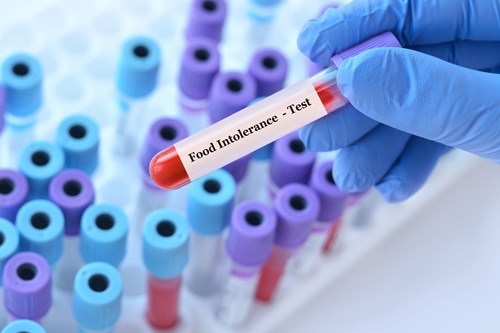
Guessing which foods are causing breakouts can be frustrating and time-consuming. Food reactions are often delayed or subtle, which makes them difficult to track on your own. Testing removes the guesswork by showing exactly which foods your body is reacting to and how strongly it responds.
Here are a few testing options that can help:
-
IgE Allergy Testing: Identifies immediate allergic reactions that cause symptoms such as swelling, itching, or rashes. Ideal for people who experience sudden, noticeable responses right after eating certain foods.
-
IgG Sensitivity Testing: Detects delayed inflammation responses that can appear hours later. Best suited for individuals dealing with unpredictable or recurring acne that seems difficult to trace.
-
Food Intolerance and Enzyme Testing: Shows whether the body struggles to break down specific foods like dairy, gluten, or high-histamine items. Helpful for people whose acne is linked to digestive discomfort or food-triggered gut stress.
-
Nutrition Test: A nutrition test reveals deficiencies or imbalances in vitamins, minerals, antioxidants, and essential fatty acids that influence inflammation, skin repair and hormonal balance. It is ideal for those whose acne may be connected to nutrient gaps, stress, or poor nutrient absorption.
With clear results, it becomes easier to adjust your diet, reduce inflammation, and finally support clearer, calmer skin from the inside.
Acne is rarely random; it often follows internal patterns linked to how the body reacts to certain foods. Once you understand which foods trigger inflammation for you, breakouts become easier to interpret and manage, and skincare starts to work more effectively instead of fighting against what is happening beneath the surface. Testing helps reveal these patterns by showing exactly where your body is responding, rather than relying on trial and error.
In a city like Dubai, where food choices are abundant and lifestyles move quickly, identifying triggers can be challenging without the right insight. FML offers allergy, sensitivity and food intolerance testing in Dubai, providing a clear starting point for anyone looking to understand how food may be influencing their skin.
Ready to uncover your triggers? Contact us to arrange your personalised allergy and sensitivity testing appointment.
How to Book Your Assessment
Ready to uncover your triggers? Here's how you can book your testing appointment:
1. Choose Your Screen & Connect Review our clinical testing options on the FML Website to pinpoint the ideal analysis for your symptoms. When you are ready to schedule, simply reach out to our team:
Phone: +971 4 337 8778
Email: info@fml-dubai.com
2. Visit Our Laboratory Arrive at our clinic at your designated time for a quick, expert sample collection.
Monday to Thursday & Saturday: 9:00 AM – 9:00 PM
Friday & Sunday: 9:00 AM – 6:00 PM
3. Retrieve Your Insights Online As soon as our diagnostics team completes your analysis, your personalized report will be securely uploaded for download via our Online Reports Portal
Not sure which test fits your specific flare-ups?Get in touch with us and we will happily help you find the best test for your skin and wellness goals.
"Your diet impacts more than your skin. Discover 5 effective ways to reduce belly fat and boost overall wellness."

Lab hours
MON - THU and SAT 9:00 AM to 9:00 PM | FRI and SUN : 9:00 AM to 6:00 PM

Key Technical Personnel

Copyright © 2026 All rights reserved | FREIBURG MEDICAL LABORATORY MIDDLE EAST (L.L.C)

