

LAB HOURS: MON - THU and SAT : 9:00 AM to 9:00 PM
FRI and SUN : 9:00 AM to 6:00 PM



What Is Sickle Cell Disorder?
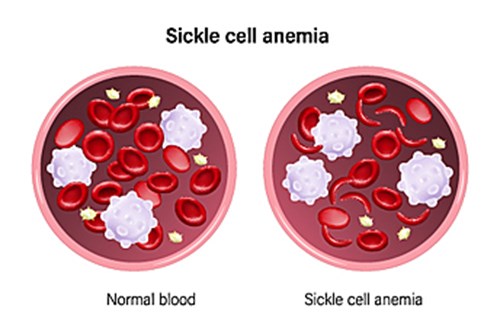
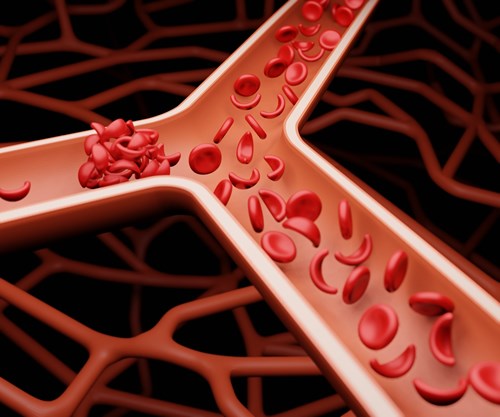
Sickle cell disease is an inherited blood condition that affects the shape and function of red blood cells. Instead of being soft and round, these cells can become rigid and C-shaped, making it harder for them to move smoothly through blood vessels. As a result, blood flow may be reduced, and oxygen delivery to tissues can be affected.
Because these abnormal red blood cells also break down more quickly than normal ones, people with sickle cell disease often develop ongoing anaemia. While it is a lifelong condition, early diagnosis, regular monitoring and appropriate medical care can significantly reduce complications and support a good quality of life.
What Are the Common Symptoms of Sickle Cell Disease?
Many people with SCD develop symptoms in early childhood, though severity varies. Common symptoms and signs include:
- Pain episodes: Sudden pain affecting the bones, chest, abdomen or joints, lasting from a few hours to several days and varying in frequency and intensity.
- Anaemia-related symptoms: Ongoing tiredness, weakness, pale skin or shortness of breath caused by a reduced number of healthy red blood cells.
- Swelling of hands and feet: Painful swelling, particularly in infants and young children, due to reduced blood flow in small blood vessels.
- Increased risk of infections: Greater susceptibility to infections or repeated fever episodes, especially in childhood, as the spleen may not function effectively.
- Delayed growth and development: Slower physical growth in children and delayed puberty during adolescence due to long-term oxygen and nutrient shortage.
- Vision and neurological complications: Changes in vision or symptoms such as weakness, speech difficulty or severe headache, which require urgent medical evaluation.
What Causes Sickle Cell Disease?
Sickle cell disease is caused by a genetic change that affects how the body produces hemoglobin, the protein in red blood cells responsible for carrying oxygen. This change leads to the production of an abnormal form of hemoglobin, which causes red blood cells to become rigid and misshapen under certain conditions.
The disease develops only when a child inherits two altered hemoglobin genes, one from each parent. When both copies are present, the red blood cells are more likely to change shape, break down early, and interfere with normal blood flow.
If a person inherits only one altered gene and one normal gene, they have the sickle cell trait. Individuals with the trait usually do not experience symptoms of the disease, but can pass the altered gene on to their children.
Who Is at Risk of Sickle Cell Disease?
You may be at increased risk of having sickle cell disease or of having a child with the condition if:
- You or your partner carries the sickle cell trait, even if neither of you has symptoms.
- There is a known family history of sickle cell disease, sickle cell trait, or unexplained severe anemia.
- Your family origins are from regions where the condition is more common, including parts of Africa, the Middle East, India, the Mediterranean, and the Caribbean.
For individuals or couples with one or more of these risk factors, a simple blood test can identify carrier status and help support informed family planning decisions.
Tests Used to Diagnose Sickle Cell Disease
Your doctor may recommend a series of blood tests based on your symptoms and the severity of your condition. Some tests directly detect sickle cell disease, while others support the diagnosis by evaluating how the condition affects your blood and overall health.
Key Diagnostic Tests
- Sickle Cell Disease Test: Identifies the presence of sickle hemoglobin (HbS) to confirm sickle cell disease or detect sickle cell trait.
- Hemoglobin Electrophoresis / Hemoglobin HPLC: A primary diagnostic test that separates and measures different hemoglobin types to detect sickle hemoglobin and related variants.
- Hemoglobinopathies Evaluation: Assesses inherited hemoglobin disorders to differentiate sickle cell disease from other hemoglobin abnormalities such as thalassemia.
Supportive Blood Tests
- Complete Blood Count (CBC) and Red Blood Cell Morphology: Evaluates hemoglobin levels, red blood cell indices, and abnormal cell shapes commonly seen in sickle cell disease.
- Fetal Hemoglobin (HbF) Measurement: Measures HbF levels, which can help assess disease severity and support clinical interpretation.
Learn more about the Sickle Cell Anemia test, including detailed laboratory parameters and testing information here
Testing Procedure
Testing for sickle cell disease is usually done using a blood sample collected through a simple blood draw. This initial sickle test helps identify abnormal hemoglobin. The sample is then analyzed in the laboratory to examine hemoglobin types and red blood cell characteristics using specialized diagnostic methods.
Depending on the results and clinical requirements, additional tests may be performed to confirm the diagnosis or provide further insight into disease severity. Your healthcare provider will review the findings and guide you on the next steps based on the results.
Need more assistance? Contact FML for guidance on sickle cell testing and further evaluation.
Why Choose FML?
FML operates to internationally recognised ISO 15189 quality standards, ensuring accuracy, consistency, and reliability across all diagnostic services. Our laboratory is supported by a highly qualified team committed to ethical practices, transparent processes, and dependable diagnostic outcomes across a wide range of clinical disciplines.
Beyond hematology, FML provides advanced diagnostic support for endocrine conditions, autoimmune disorders, and fertility-related investigations, helping clinicians gain deeper insight through precise testing and expert interpretation. With fast turnaround times for specialised tests, a secure online reporting system, detailed pre-analytical guidance, and a regularly updated parameter index, FML supports confident clinical decision-making at every stage.
Book your sickle cell diagnostic testing with FML today and receive accurate results supported by expert laboratory interpretation!
Accreditation

Accredited according to DIN EN ISO 15189
Our Partners






Lab hours
MON - THU and SAT 9:00 AM to 9:00 PM | FRI and SUN : 9:00 AM to 6:00 PM

Key Technical Personnel

Copyright © 2026 All rights reserved | FREIBURG MEDICAL LABORATORY MIDDLE EAST (L.L.C)

